


وقّعت فنزويلا اتفاقات مع شركتين أمريكيتين لزيادة إنتاج النفط، في خطوة تأتي وسط حالة اضطراب واسعة في أسواق الطاقة العالمية عقب اندلاع الحرب في الشرق الأوسط. هذا التحول في موقف الشركات الأمريكية يفتح الباب أمام استثمارات جديدة في قطاع النفط الفنزويلي الغني بالاحتياطيات.
تم التوقيع على الاتفاقات بحضور وكيلة الرئيس الفنزويلي ديلسي رودريغيز، التي تولت منصبها بعد اعتقال الرئيس السابق نيكولاس مادورو في يناير/كانون الثاني الماضي. وتسعى الإدارة الأمريكية الحالية، بقيادة الرئيس دونالد ترمب، إلى تأمين إمدادات نفطية إضافية، وهو ما تلبي أجزاء منه هذه التحركات.
تحول في موقف الشركات الأمريكية تجاه فنزويلا
تم بموجب الاتفاقات الجديدة، التي أبرمتها شركتا “هانت أوفرسيز أويل كومباني” و”كروس أوفر إنرجي” الأمريكيتان، بدء العمل في حزام أورينوكو، المنطقة التي تحتضن الجزء الأكبر من احتياطيات النفط الفنزويلي. وصفّت رودريغيز هذه الاتفاقات بأنها تمثل “التقاء مصالح الولايات المتحدة وفنزويلا”، وأكدت على بناء أسس متينة لعلاقات طويلة الأمد.
يأتي هذا التطور بعد أن كانت فنزويلا قد أبرمت سابقًا اتفاقات مع شركات نفط عملاقة أخرى، مثل “إيني” الإيطالية، على خلفية إقرارها لإصلاحات تهدف إلى تحرير قطاع الطاقة.
وقد حضر مراسم توقيع الاتفاقات الجديدة المبعوث الأمريكي جارود أجين، الذي وصل إلى العاصمة كراكاس بالتزامن مع استئناف الرحلات الجوية المباشرة بين البلدين بعد توقف دام سبع سنوات.
وفقًا لتقرير نشرته صحيفة وول ستريت جورنال، فإن شركات النفط الأمريكية الكبرى، التي كانت سابقًا تعتبر فنزويلا “عالية المخاطر” للاستثمار، قد غيرت حساباتها بشكل جذري. يعزو هذا التغيير بشكل أساسي إلى اندلاع الحرب في الشرق الأوسط، التي أدت إلى حالة من عدم اليقين وزيادة في الطلب واحتمالات ارتفاع أسعار النفط.
وأفادت الصحيفة بأن مسؤولين رفيعي المستوى من شركات مثل إكسون موبيل وكونوكو فيليبس قد عقدوا لقاءات مكثفة مع مسؤولين فنزويليين في كراكاس خلال الأسابيع الأخيرة. Furthermore, the companies dispatched technical teams to Venezuela to conduct thorough assessments of potential investment opportunities.
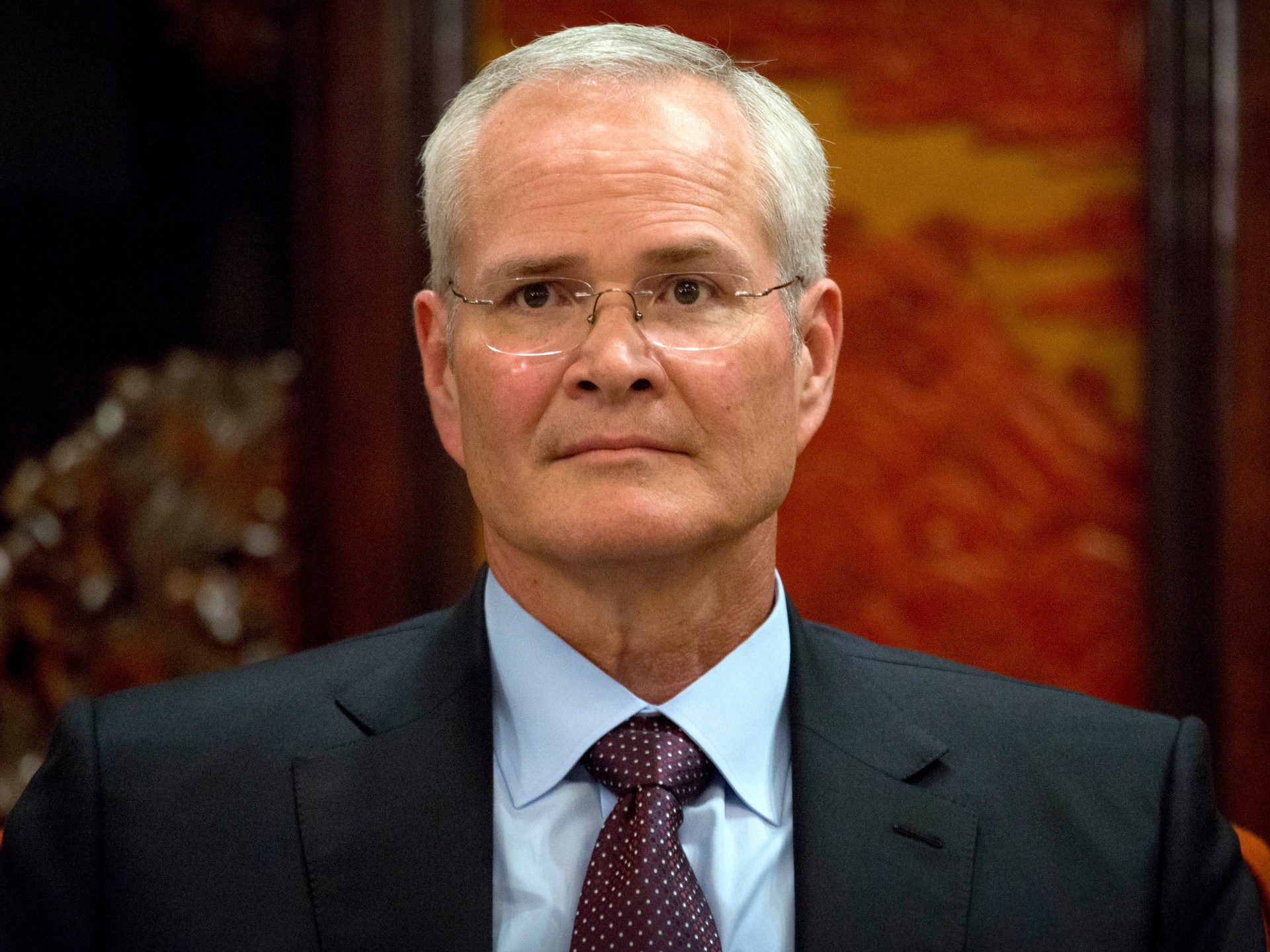
Earlier in the year, representatives from these major oil companies had expressed to President Trump during a meeting at the White House that Venezuela faced significant legal and financial hurdles that hindered investment in its oil industry. At that time, Darren Woods, the CEO of Exxon Mobil, described Venezuela as “uninvestable,” reflecting the prevailing sentiment.
The significant shift in the stance of American oil companies, including Exxon Mobil and ConocoPhillips, towards investing in Venezuela is attributed to a clear and compelling reason: the surge in oil prices following the outbreak of the Middle East conflict. Brent crude futures for July delivery saw a notable increase of approximately 0.4%, reaching $110.87 per barrel, while U.S. West Texas Intermediate crude remained stable around $105.20 per barrel.
The newspaper anticipates that the upward trend in oil prices is likely to persist for months, or possibly years, as a direct consequence of the ongoing developments in the Middle East. It is worth noting that approximately two decades ago, the Venezuelan government under the leadership of former President Hugo Chávez nationalized assets belonging to Exxon Mobil and ConocoPhillips within Venezuela. ConocoPhillips continues to seek compensation amounting to $12 billion, whereas Exxon Mobil is pursuing compensation valued at $1 billion.
The immediate next step involves the commencement of operational activities by Hunt Overseas Oil Company and Crossvine Energy in the Orinoco Belt. However, uncertainties remain regarding the specific terms of these partnerships and how effectively Venezuela can navigate its existing legal and financial challenges to facilitate long-term sustainable investment and production increases.